
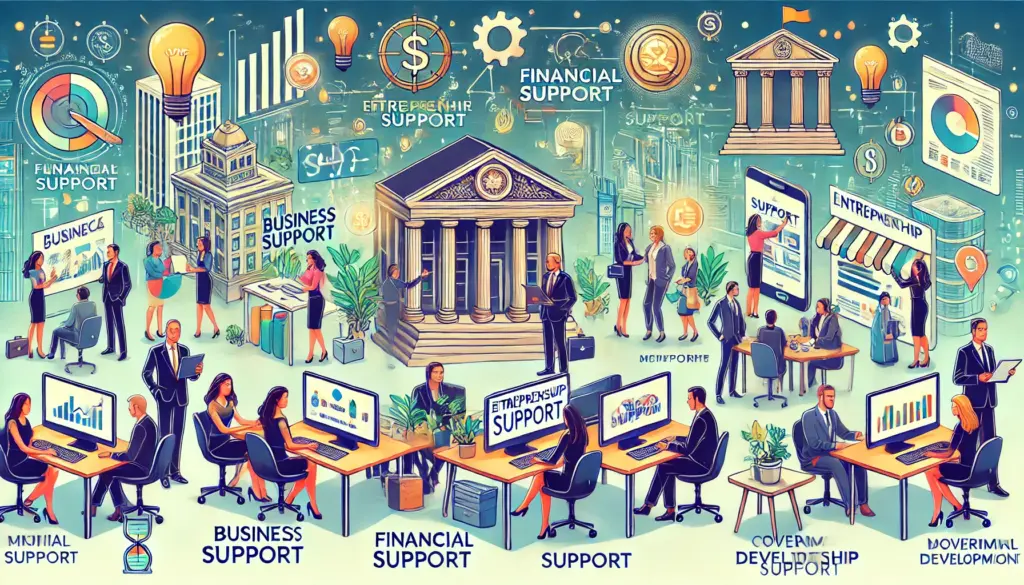
Entrepreneurship Support: A Global Perspective
Entrepreneurship is a critical driver of economic growth and innovation. Around the world, various forms of support systems and institutions play pivotal roles in nurturing and sustaining entrepreneurial activities. This article explores the multifaceted landscape of entrepreneurship support, focusing on key regions, government policies, financial and non-financial assistance, and the essential role of mentorship and support systems.
Africa and Entrepreneurship Support
Africa has seen a burgeoning interest in entrepreneurship as a means to spur economic development and address unemployment. Government agencies, such as the Small Enterprise Development Agency (SEDA) in South Africa and the Bank of Industry in Nigeria, play vital roles in supporting entrepreneurship. These agencies provide a range of services, including financial assistance, training programs, and market access opportunities.
In Nigeria, the government’s Youth Entrepreneurship Support (YES) program, spearheaded by the Bank of Industry, offers training and funding to young entrepreneurs. This initiative is a cornerstone of the country’s efforts to harness the potential of its youthful population for economic growth.
Financial and Non-Financial Support in Entrepreneurship
Entrepreneurs require both financial and non-financial support to thrive. Financial support includes grants, loans, and investment funds. For example, the Entrepreneurship Support Fund by Bangladesh Bank offers financial resources to aspiring entrepreneurs, ensuring they have the capital needed to start and scale their businesses.
Non-financial support encompasses mentorship, training, networking opportunities, and access to market information. Mentorship programs, such as those provided by various entrepreneurship support centers, are crucial for guiding new entrepreneurs through the challenges of starting and running a business.
The Role of Government in Supporting Entrepreneurship
Governments around the world implement policies and create institutions to foster entrepreneurship. For instance, the United Arab Emirates (UAE) has established free zones that offer tax incentives, simplified business regulations, and world-class infrastructure to attract entrepreneurs. Similarly, the Philippines has focused on entrepreneurship development through policies that encourage innovation and provide financial incentives to startups.
In Zimbabwe, the government has introduced policies aimed at supporting entrepreneurship as a means to rebuild the economy. These policies include access to finance, training programs, and creating a conducive environment for business operations.
Computer Systems Supporting Entrepreneurship
In the digital age, computer systems and e-entrepreneurship platforms play a significant role in supporting entrepreneurial activities. These systems provide tools for business planning, financial management, marketing, and customer relationship management. For example, platforms offering PDF resources and templates for business plans and financial projections help entrepreneurs streamline their operations and focus on growth.
Institutional Support and Ecosystems
Institutions such as colleges, universities, and entrepreneurship support centers provide essential training and resources. Many universities now offer specialized programs in entrepreneurship, providing students with the knowledge and skills needed to start their ventures.
The entrepreneurship support ecosystem also includes professional networks and support organizations that offer guidance, resources, and opportunities for collaboration. These ecosystems are vital for the sustainability of entrepreneurial ventures.
Entrepreneurship Support in Specific Regions
Nigeria
In Nigeria, various agencies support entrepreneurship, including the Bank of Industry and the National Youth Service Corps (NYSC) entrepreneurship programs. These institutions offer both financial and non-financial support to help entrepreneurs overcome initial hurdles and scale their businesses.
South Africa
The South African government promotes entrepreneurship through agencies like SEDA and initiatives such as the Small Business Innovation Fund. These efforts aim to create jobs and stimulate economic growth by supporting small and medium enterprises (SMEs).
UAE
The UAE supports entrepreneurship through initiatives like Dubai Startup Hub and the Khalifa Fund for Enterprise Development. These programs provide funding, mentorship, and access to international markets, making the UAE a hub for entrepreneurial activity in the Middle East.
The Importance of Mentors and Role Models
Mentors and role models are crucial in the entrepreneurial journey. They provide guidance, support, and inspiration, helping new entrepreneurs navigate the complexities of starting and growing a business. Programs that pair experienced entrepreneurs with novices can significantly increase the chances of success for new ventures.
Socio-Economic Support Systems
Socio-economic support systems, including access to healthcare, education, and social security, are essential for fostering a conducive environment for entrepreneurship. These systems ensure that entrepreneurs have the necessary safety nets to take risks and innovate.
Challenges and Opportunities
Despite the numerous support systems in place, entrepreneurs often face challenges such as lack of access to finance, bureaucratic hurdles, and inadequate infrastructure. Addressing these challenges requires concerted efforts from governments, private sector players, and international organizations.
Conclusion
Entrepreneurship support is a multifaceted endeavor involving financial assistance, mentorship, policy frameworks, and robust support ecosystems. Governments, educational institutions, and private organizations play crucial roles in creating an environment where entrepreneurship can thrive. By addressing the challenges and leveraging the opportunities, we can ensure that entrepreneurs around the world have the support they need to drive economic growth and innovation.
In conclusion, supporting entrepreneurship is not just about providing financial resources but also about creating an enabling environment through policies, mentorship, and robust support systems. As we move forward, it is essential to continue evolving these support mechanisms to meet the changing needs of entrepreneurs and ensure their sustainability and success.